


You may also like

ACSI 1310-8 Mortise Keyswitches Single gang, 2 momentary switches, 2 LEDs (red & green), wall mount
Model: ACSI-1310-8
ACSI 1310-8 Mortise Keyswitches Single gang, 2 momentary switches, 2 LEDs (red & green), wall mountACSI Series 1310 Mortise Keyswitches are designed to control electric locks, electric strikes,...
ACSI
$240.00
$152.85

ACSI 1310-7 Mortise Keyswitches Single gang, 2 momentary switches, 1 LED (red or green), wall mount
Model: ACSI-1310-7
ACSI 1310-7 Mortise Keyswitches Single gang, 2 momentary switches, 1 LED (red or green), wall mountACSI Series 1310 Mortise Keyswitches are designed to control electric locks, electric strikes,...
ACSI
$210.00
$133.75

ACSI 1310-5-2 Mortise Keyswitches Audible alarm, double gang, 2 LEDs (red & green), wall mount
Model: ACSI-1310-5-2
ACSI 1310-5-2 Mortise Keyswitches Audible alarm, double gang, 2 LEDs (red & green), wall mountACSI Series 1310 Mortise Keyswitches are designed to control electric locks, electric strikes, electric...
ACSI
$300.00
$191.06

ACSI 1310-6 Mortise Keyswitches Single gang, 2 momentary switches, wall mount
Model: ACSI-1310-6
ACSI 1310-6 Mortise Keyswitches Single gang, 2 momentary switches, wall mountACSI Series 1310 Mortise Keyswitches are designed to control electric locks, electric strikes, electric exit devices and a...
ACSI
$190.00
$121.00
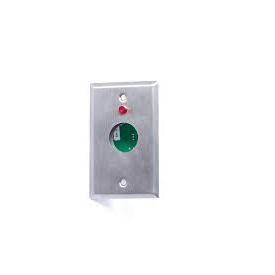
ACSI 1310-9 Mortise Keyswitches Adjustable time delay, single gang, 1 LED (red or green), SPDT contacts, wall mount
Model: ACSI-1310-9
ACSI 1310-9 Mortise Keyswitches Adjustable time delay, single gang, 1 LED (red or green), SPDT contacts, wall mountACSI Series 1310 Mortise Keyswitches are designed to control electric locks,...
ACSI
$300.00
$191.06
ACSI 1310-2 Mortise Keyswitches Single gang, 2 LEDs (red & green), wall mount
ACSI Series 1310 Mortise Keyswitches are designed to control electric locks, electric strikes, electric exit devices and a variety of other control applications. The keyswitches allow keying the electrically controlled openings to facility master key systems. DPDT contacts unless otherwise noted.
Manufacturer Resources
Product Specs
- Subcategory:
- Push Buttons
- Series:
- 1300 Series
- ADA Compliant:
- No
- Commercial/Residential:
- Commercial
- Electronic:
- Yes
- Product Type:
- Switches / Push Buttons
- Product Group:
- Electronic Access Controls
- Product Subgroup:
- Sensors, Switches, Relays and Timers
- Collection:
- 1300 Series
- Product Category:
- Electronic Access Control
- Department:
- Door Hardware
ACSI ACSI-1310-2-13-MO – Frequently Asked Questions
1) Can I key an ACSI 1310-2 keyswitch into my building master key system?
Yes. The ACSI 1310 Series mortise keyswitches are built to accept a mortise cylinder so the electrically controlled opening keys into the same facility master key system as the rest of the doors. That is the point of a keyswitch over a pushbutton: only key holders can release the opening, and you are not carrying a second set of credentials for the electrified doors.
2) What does the ACSI 1310-2 keyswitch actually control - will it release an electric strike or a mag lock circuit?
The 1310 Series keyswitches control electric locks, electric strikes, electric exit devices and other control applications. Contacts are DPDT unless otherwise noted, so you get two independent sets of transfer contacts from one key throw, which is what lets you switch a lock circuit and a second circuit (an alarm shunt, for example) off the same key.
3) Should I order the momentary or the maintained version of the ACSI 1310-2?
Two functions are offered: MOM (momentary) and MTN (maintained). Momentary is what you want for a release - turn the key, the door unlocks for as long as the key is held or for the duration your timer allows, then it re-secures. Maintained latches the state, so you turn the key once to unlock the opening and it stays unlocked until you turn it back. Use maintained for daytime unlock of a storefront or corridor door, momentary for a straight key-to-release.
4) Is a keyswitch or a pushbutton the right way to release my access controlled door?
It comes down to who you want able to open it. A keyswitch like the ACSI 1310-2 restricts the release to key holders and keys into the master system, so it suits exterior doors, mechanical rooms and after hours unlock. A pushbutton releases for anyone standing in front of it, which is what you want on the egress side or at a reception desk - for that, look at the Securitron PB3 Series push buttons or the RCI 908 Series electronic exit button. Many openings get both: keyswitch outside, button inside.
5) Is the ACSI 1310-2 an acceptable ADA accessible entry actuator?
No. The 1310-2 is not ADA compliant, and it requires a key to operate. For an accessible actuator at an automatic or power operated door, the RCI 950HP is a round push plate carrying the handicap symbol, a momentary switch in satin stainless steel. The two do different jobs and are often used on the same opening: the 950HP as the public accessible actuator, the 1310-2 as the restricted keyed control.
6) I need a keyed release for an electric strike but the location is outdoors. What should I use instead of the ACSI 1310-2?
The 1310-2 is a single gang wall mount mortise keyswitch with red and green LEDs, built for interior wall mounting. For an exposed exterior location, the DynaLock 6171 is a weatherproof pushbutton with a blank faceplate from the 6170 series. Note the tradeoff: the 6171 is a pushbutton, so it does not give you the key control the 1310-2 does. If keyed release is mandatory outdoors, mount the 1310-2 inside a protected vestibule rather than in the weather.
7) What is the difference between an ACSI 1310-2 mortise keyswitch and a Securitron PB3 push button for releasing an electric strike?
Both release an electrically controlled opening, but they differ in who is allowed to do it. The ACSI 1310-2 is a mortise keyswitch, so the opening is released with a key and can be keyed into the facility master key system, and it carries two LEDs (red and green) in a single gang wall mount body. The Securitron PB3 is a push button series, which anyone at the door can press. On a door where release should be restricted to keyholders, the 1310-2 is the one that enforces that; where release is meant to be open to anyone in the space, a PB3 push button covers it.
8) I have a narrow stile aluminum frame and no room for a single gang box. What can I use instead of the ACSI 1310-2?
The 1310-2 is a single gang wall mount device and needs that box width behind it. The Trine 342 is a narrow style electric door switch built for tight frame profiles, and the RCI 909F-MO is a flush mount momentary rocker switch rated 250VAC 10A in a beige finish. Neither is keyed, so a narrow frame location that also needs key control means keeping the 1310-2 and finding wall space nearby rather than mounting in the stile.
9) Which release device should be used for emergency egress rather than an ACSI 1310-2 keyswitch?
A keyswitch is the wrong device for emergency egress, because it requires a key in hand at the moment someone needs out. The 1310-2 controls electric locks, electric strikes and electric exit devices for authorized release. For the egress side of the same opening, the Securitron EEB is an emergency exit push button with interchangeable LED lenses. Many openings run both: the EEB for egress and the 1310-2 for keyed control of the lock.
10) What do the two LEDs on the ACSI 1310-2 tell me, and what box does it mount in?
The 1310-2 carries two LEDs, red and green, in a single gang wall mount plate. The pair gives you locked and unlocked status right at the opening, so a guard or manager can see the door state without walking to it. Single gang means it drops into a standard single gang box or plaster ring in the wall next to the door.
11) What else do I need to order to make an ACSI 1310-2 keyswitch work?
The keyswitch is the control device only. You supply the mortise cylinder keyed to your system, the single gang box or ring in the wall, and the low voltage power and lock circuit it switches. The 1310-2 gives you DPDT contacts to wire into that circuit; it does not power the lock itself. If you want an audible cue at the opening as well, an annunciator like the DynaLock 6300 Series (6-28 VDC) wires off the same low voltage supply.
12) I need a key operated switch but the wall has no room for a single gang box - what are my options?
The 1310-2 needs a single gang wall opening. Where the frame or mullion will not take one, a narrow style switch such as the Trine 342 narrow style electric door switch fits the tighter face. If the opening only needs a release button rather than key control, the Securitron PB5 Series medium round illuminated push button mounts in a smaller round cutout.
13) Can one ACSI 1310-2 keyswitch both unlock the door and shunt my alarm at the same time?
Yes, that is what the DPDT contacts are for. Double pole double throw gives two separate switched circuits operating together off one key turn, so one pole drops the lock and the second shunts a door contact or signals the panel. Pick the maintained (MTN) function if the shunt has to hold while the door stays unlocked; momentary (MOM) only transfers during the key throw.
14) What is a simpler alternative to the ACSI 1310-2 if I only need a maintained on/off control for an electric lock?
The 1310-2 is offered in a maintained function as well as a momentary one, so it will hold a lock released until the key is turned back. If key control is not required for that maintained hold, the RCI 908-RE-MA is an electronic exit button with maintained operation and red EXIT text, and the RCI 919-MA is a rotary release button with maintained operation in a satin aluminum finish. Both give the same latched state without the key cylinder or the master keying.
15) What looks like a substitute for the ACSI 1310-2 but will not do the same job?
The DynaLock 6300 is an audible annunciator running on 6 to 28 VDC. It shares the access control accessory space and mounts in the same wall runs, but it signals a condition rather than switching an opening, so it cannot replace the 1310-2. The DynaLock 6210 palm switch is another one to watch: it is an alternate action SPDT palm switch, meaning a single set of contacts, where the 1310-2 supplies DPDT contacts unless otherwise noted. If your panel wiring needs the second pole, the palm switch will not carry it.
16) What is the closest one gang alternate action switch to the ACSI 1310-2 maintained keyswitch?
The DynaLock 6115A is a one pushbutton, one gang, alternate action device from the 6000 push button series. That matches the 1310-2 maintained function in behavior, one actuation latches the state and the next returns it, and it matches the single gang wall opening. The difference is the actuator: the 6115A is pressed, the 1310-2 is turned with a key that can be cut to the facility master key system.
17) Is the ACSI 1310-2 a commercial grade device or is it meant for houses?
Commercial. The 1300 Series keyswitches are specified for commercial access control work - electric strikes, electric locks and electrified exit devices in facilities running a master key system. That is a different job from residential smart entry, and it expects a low voltage lock circuit already run to the opening.
18) The ACSI 1310-2 has red and green LEDs. What other devices give visual status at the door?
The two LEDs on the 1310-2, red and green, sit in the single gang wall mount plate alongside the mortise cylinder. If the requirement is lit status without key control, the Securitron PB4L is an illuminated halo with a stainless push button and the Securitron PB5 is a medium round illuminated push button. Both illuminate the actuator itself; the 1310-2 carries two discrete indicators, which is what lets it show a locked and an unlocked state separately.
How fast can I get the ACSI ACSI-1310-2-13-MO delivered?
Most orders ship the same day from our distribution partners, with quick delivery throughout the
continental
U.S.
Need it urgently? Contact Us for expedited shipping options.
Can I return it if it doesn’t work for me?
Yes—ZenSupply offers a hassle-free return policy. If the product isn’t the right fit,
reach out to our support team for a return authorization or setup a return by following our return instructions.
Does the ACSI ACSI-1310-2-13-MO come with a warranty?
Absolutely. The ACSI ACSI-1310-2-13-MO is backed by a manufacturer’s warranty.
For full warranty terms, check the product documentation or Contact Us.
How do I get technical support or installation help for the ACSI ACSI-1310-2-13-MO?
You can call, text, or email our expert support team for fast answers. We’re here to help with
product
selection,
installation tips, and troubleshooting. Contact Us
Why buy the ACSI ACSI-1310-2-13-MO from ZenSupply?
ZenSupply makes it easy to get the commercial door hardware you need—fast shipping, expert support,
and
rewards on
every order.
Our team is always ready to help you choose the right product for your project.